
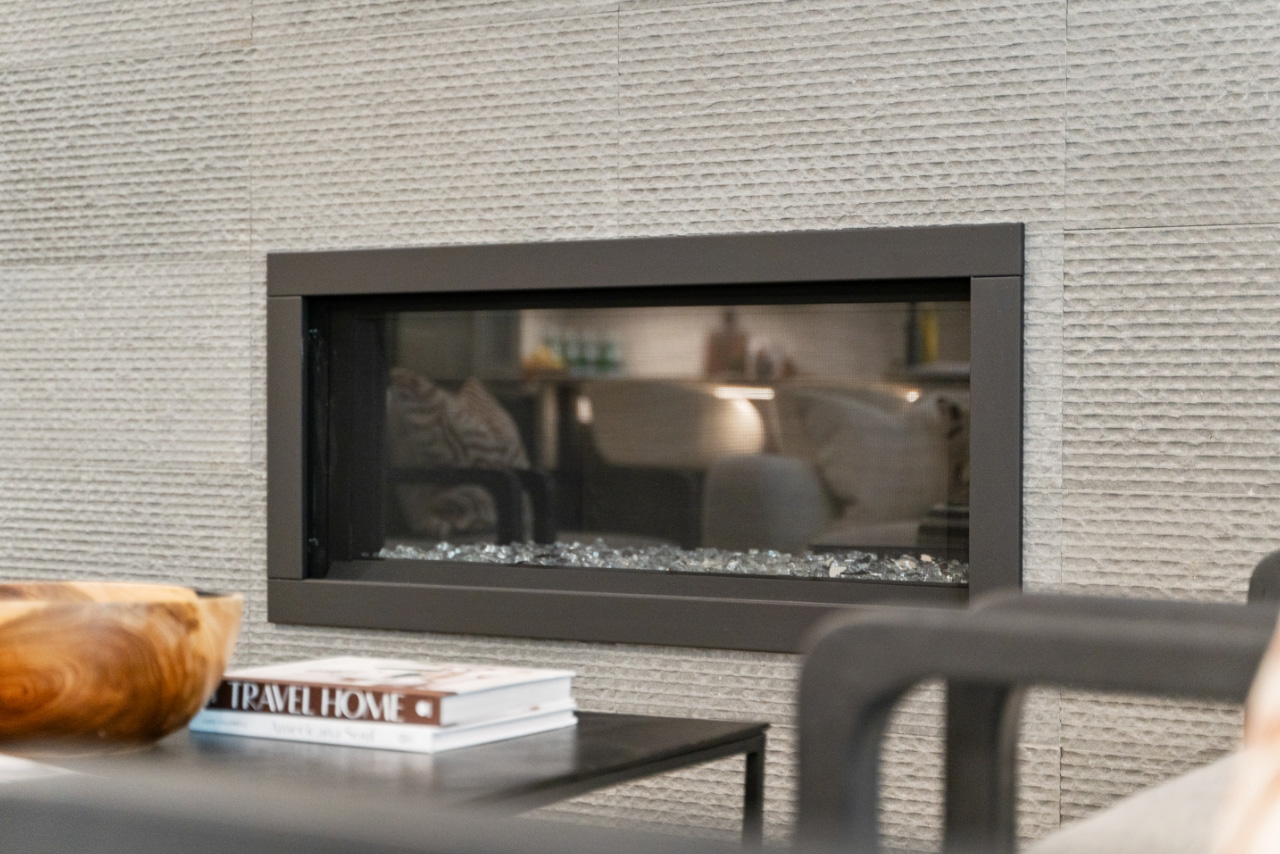
As the trend of downsizing into luxury condominiums continues to rise, the question of design philosophy becomes central to creating a comfortable yet stylish space for your living space. Two competing yet equally compelling styles—maximalism and minimalism—offer vastly different approaches to interior design style. Whether you’re drawn to the clean lines and negative space of minimalism or the bold statement pieces and curated clutter of maximalism, understanding these design philosophies will help you create a space that reflects your unique personal style.
What Are the Key Differences Between Maximalism and Minimalism in Interior Design?
A minimalist approach to interior design focuses on simplicity, using fewer decorative items to emphasize negative space and functional design elements. In contrast, maximalism embraces bold patterns, layered textures, and a mix-and-match philosophy that turns every corner into a focal point. Both styles have unique ways of transforming living rooms and other spaces into personal sanctuaries.
How Can I Determine if a Minimalist or Maximalist Style Suits My Personality and Lifestyle?
Ask yourself: Do you feel at ease in a serene environment with clean surfaces and muted tones, or do you thrive in a maximalist space brimming with color, patterns, and personality? Minimalists often prefer order and calm, while maximalists enjoy collecting and displaying items that tell a story. Your lifestyle also plays a role—frequent travelers might prefer minimalism for its easy upkeep, whereas collectors and art enthusiasts might find maximalist interiors more satisfying.
What Are the Main Characteristics of Minimalist Design?
- Clean Lines and Simplicity: A minimalist approach emphasizes sleek, functional furniture and streamlined layouts.
- Neutral Palette: Whites, grays, and beiges dominate, creating a calming atmosphere.
- Focus on Functionality: Every piece of furniture and decor has a purpose, reducing visual clutter.
- Negative Space: Open areas between furniture and decor add depth and are pleasing to the eye.
What Are the Defining Features of Maximalist Design?
- Bold Patterns and Colors: Think vibrant wallpapers, richly textured rugs, and statement pieces that draw the eye.
- Layered Textures: From velvet cushions to woven throws, maximalist interiors add depth through a mix of materials.
- Curated Collections: Decorative items, art pieces, and personal mementos fill the space with individual characters.
- Playful Mix and Match: Different styles, periods, and colors are carefully curated and arranged to coexist harmoniously.
Can Elements of Minimalism and Maximalism Be Combined in a Single Space?
Yes! The key is balance. You might use minimalist principles as a foundation while incorporating maximalist elements to add depth. For example, start with a neutral color palette and add a bold statement piece, such as an oversized artwork or a patterned rug. Alternatively, maximalist spaces can benefit from minimalist-inspired negative space to avoid overwhelming the room.
What Are the Benefits and Drawbacks of Adopting a Minimalist Design Approach?
Benefits:
- Low maintenance and easy to clean.
- Creates a calming and stress-free environment.
- Timeless design that can be easily adapted to changing design trends.
Drawbacks:
- Areas may feel sterile or impersonal if overdone.
- Limited opportunity for personal style expression in the home decor.
What Are the Advantages and Potential Downsides of Embracing Maximalist Design?
Advantages:
- Showcases your personal style and interests.
- Creates a cozy, vibrant atmosphere.
- Encourages creativity in combining design elements.
Potential Downsides:
- Can feel overwhelming or cluttered without careful curation.
- Requires regular upkeep to maintain balance and harmony.
How Do I Transition from a Minimalist to a Maximalist Interior, or Vice Versa?
From Minimalism to Maximalism:
- Add one bold piece at a time, such as a colorful sofa or a gallery wall.
- Incorporate layered textures for warmth and add depth.
- Mix and match decorative items to create interest.
From Maximalism to Minimalism:
- Start by decluttering and removing items that don’t spark joy.
- Opt for furniture with clean lines and multifunctionality.
- Use a neutral color palette to unify the space.
What Are Some Examples of Minimalist and Maximalist Design in Modern Homes?
- Minimalist: A living room with a low-profile sofa, a monochromatic rug, and a single piece of wall art.
- Maximalist: A dining area with a chandelier, a mix of patterned chairs, and walls adorned with an eclectic mix of framed art and mirrors.
How Do Minimalism and Maximalism Influence Other Areas, Such as Fashion and Lifestyle Choices?
Minimalists may favor capsule wardrobes and streamlined schedules, while maximalists often embrace bold fashion choices and eclectic hobbies. These design philosophies are much more than aesthetics—they reflect how we live, work, and express ourselves.
Luxury Condos at The Luxe
Looking to downsize without losing luxury? We have the perfect condos and community for achieving minimalism without losing elegance or convenience.
Contact us today for more information on available properties.